Our Support
+91-9269529252
Categories
Uncategorized

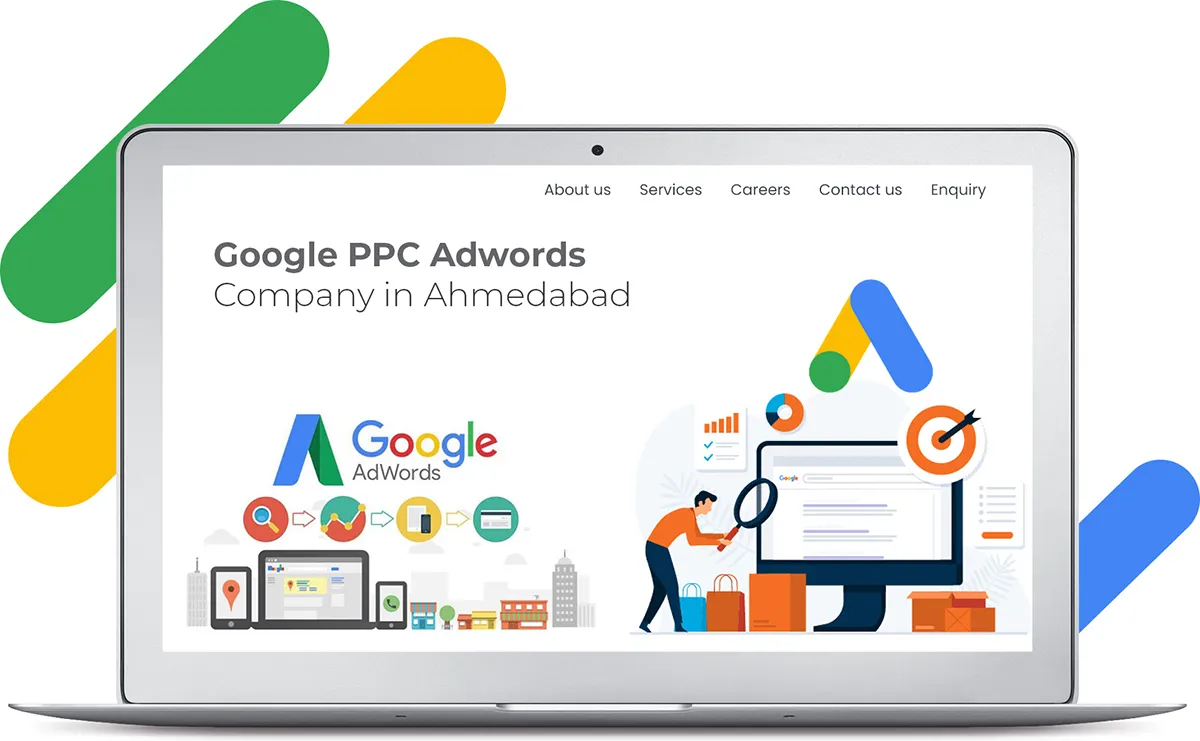
Google Ads (PPC): What It Is & Why Your Business Needs It

In today’s digital world, when people look for products or services online, they usually turn to search engines. That’s where Google Ads comes into play — helping you reach the right customers exactly when they’re searching.

Google Ads uses the “pay‑per‑click (PPC)” model — you create ads, display them on search result pages or on partner sites, and you pay only when someone clicks on your ad. Wikipedia+2Google Business+2

Whether you run a clinic, ecommerce store, service‑based business, or something else — Google Ads can help you get traffic, leads, or sales faster than most organic methods. dynamicmarketingagency.co.in+2revvgrowth.com+2


✅ Key Advantages of Using Google Ads PPC

• Instant Visibility and Traffic

With Google Ads, your website can appear at the top of search results almost instantly — no waiting for SEO algorithms to boost your ranking. dynamicmarketingagency.co.in+2simpletiger.com+2
This is especially useful when you launch a new product, service, or promotion and want quick exposure. Expand Cart+1

• Targeted Audience & Smart Reach

Google Ads lets you show ads to people who are actively searching for what you offer — by targeting keywords, location, demographics, interests, and more. revvgrowth.com+2PPC Geeks+2
This means you reach potential customers who already have intent — raising the chances of conversion (sale, enquiry, etc.), instead of random visitors. SocialSellinator+1

• Pay Only for Results — Controlled Budget

Since payment happens only when someone clicks your ad, you avoid paying just for “impressions” or “views.” Wikipedia+2workforceinstitute.io+2
You can set daily or monthly caps, adjust bids, pause or stop ads — giving you full control over spending. American Marketing Association+2Bluehost+2

• Measurable & Optimizable Campaigns

With Google Ads (and analytics tools), you can track clicks, conversions, ROI (return on investment), and more — which lets you see what’s working and what’s not. safalta+2American Marketing Association+2
You can optimise keywords, tweak ad copy, improve landing pages — refining campaigns continuously for better results. PPC Geeks+1

• Brand Visibility & Long‑Term Benefits

Even if people don’t click on your ads, repeated exposure (seeing your brand name) helps build brand awareness and trust over time. SocialSellinator+1
And PPC can complement your SEO and content marketing—bringing short‑term bursts of traffic while organic growth builds up gradually. Google Business+2Search Engine Journal+2


💡 When to Use Google Ads — What Kind of Business It Helps

You should seriously consider using Google Ads if:

  • You have a new business, product, or service and want to show up quickly.
  • You want to target a specific geography, audience, language or interest — ideal for local businesses.
  • You need leads or sales quickly (for e‑commerce, services, bookings, offers, seasonal campaigns).
  • Your SEO is still in process, or you want a mix of organic + paid traffic for better stability.
  • You want trackable results — for example, product sales, form submissions, bookings, etc.

🛠️ Tips for Running Effective Google Ads Campaigns

  • Do Keyword Research — choose keywords relevant to what your customers search (long‑tail + short keywords, specific to your niche).
  • Write Strong Ad Copy & Landing Page — the ad must match the landing page content for better conversions. Google Business+1
  • Use Smart Budgeting — start small, test ads, monitor performance, then scale up. Bluehost+1
  • Track Conversions & Analytics — track which ads/keywords bring real results (sales, leads) and pause underperformers. safalta+1
  • Combine with SEO/Content Strategy — use PPC for quick results and content/SEO for long‑term growth. Search Engine Journal+1

🔎 Conclusion: Is Google Ads PPC Right for You?

Yes — if you want faster results, targeted reach, measurable performance, and flexibility in budget and strategy, Google Ads PPC is one of the most powerful tools for online marketing today.

It’s especially good when you launch a new site, offer, or run time‑sensitive promotions. But remember — treat PPC as part of a bigger marketing mix (with SEO, content, branding) to get long‑term growth and stability.

Categories
Uncategorized

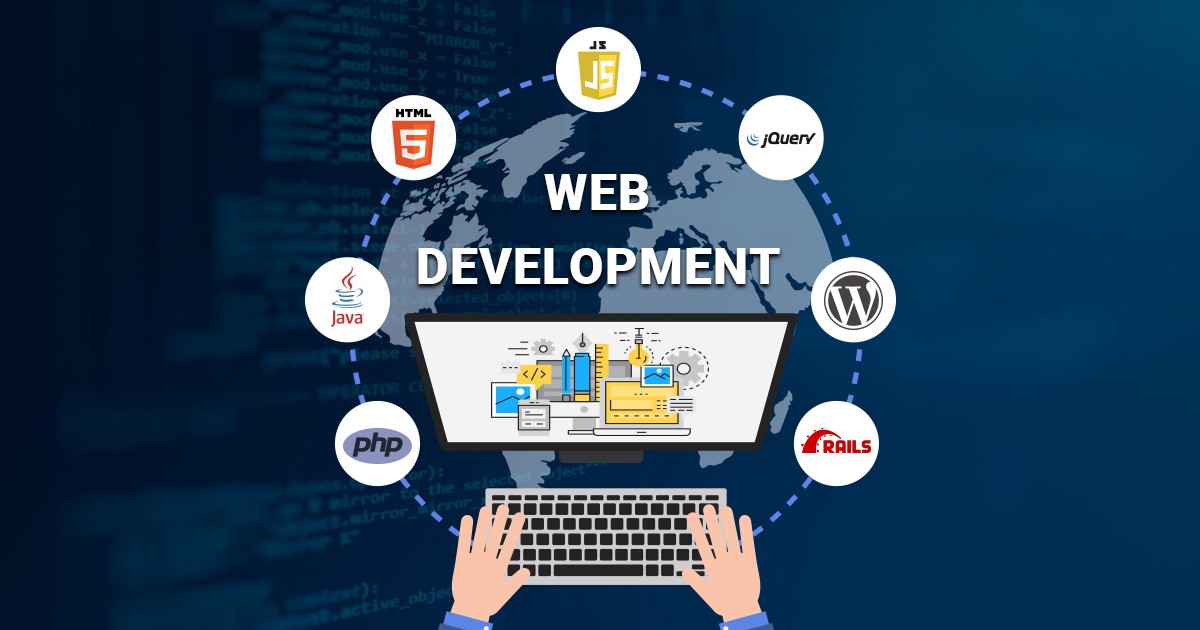
Web Development: What It Is And Why It Matters

In today’s digital world, almost every business — whether it’s a clinic, an e-commerce store, a real estate agency, or an IT service — needs an online presence. That’s where Web Development comes in. Web development is the process of building and maintaining websites and web applications, making sure they look good, work smoothly, and deliver value to users. Wikipedia+1

Whether you need a simple static page or a complex dynamic application (like an e-commerce store, a booking portal, or a social-network style website), web development covers everything — layout, design, coding, server-side logic, database handling, security, and performance. Wikipedia+2Konigle+2


Components of Web Development

When you talk about web development, there are generally two broad parts:

Front-End (Client-Side)

This is what users see and interact with — the layout, visual design, interfaces, buttons, navigation. It involves languages and technologies like HTML, CSS, and JavaScript. codehindi.com+2Wikipedia+2

Back-End (Server-Side + Data Handling)

This part isn’t visible to the user, but powers the functionality — server logic, database management, APIs, user authentication, data processing. It ensures that when a user clicks something, the right response is generated. Hindi Tech News+2THE SKY COMPUTER+2

Often a developer (or a team) handles both front-end and back-end — known as full-stack development. Tech Gajju+1


Why Web Development Is Important for Businesses

  • Online Presence & Visibility: Having a professionally built website helps your business reach people worldwide. It becomes a digital storefront that’s open 24/7 for anyone to see. bcitworld.com+1
  • User Experience & Trust: A well-developed, responsive, and user-friendly website builds trust in your brand. It gives visitors a smooth experience, which increases chances of conversion — whether that’s a contact form fill, a sale, or a booking. GeeksforGeeks+2bluelight.co+2
  • Functionality & Scalability: As your business grows, your website can evolve — from simple information pages to advanced web apps, e-commerce platforms, or custom portals. Web development gives you flexibility for growth. Wikipedia+2THE SKY COMPUTER+2
  • Performance & Optimization: A good website loads fast, works across devices (mobile/desktop/tablet), and is secure. These qualities are vital — especially now when customers expect instant, smooth experiences. GeeksforGeeks+2Netguru+2

Best Practices / What To Keep In Mind For Web Development

To ensure a website performs well and stays maintainable long-term, here are some best practices often followed by developers:

  • Responsive & Mobile-first Design: The website should adapt to different screen sizes — mobile, tablet, desktop — for a seamless experience. GeeksforGeeks+2bluelight.co+2
  • Clean, Maintainable Code: Code should be well-structured, modular, and documented. This helps in easier updates, maintenance, and scaling. Netguru+1
  • Performance Optimization: Minimize unnecessary HTTP requests, optimize images/media, and aim for fast loading speed — important for both user experience and SEO. CCBP+2GeeksforGeeks+2
  • Cross-Browser Compatibility & Accessibility: Make sure the site works on different browsers and is accessible to users with disabilities — use semantic HTML, proper markup, accessibility guidelines. GeeksforGeeks+1
  • Security & Stability: Implement secure coding practices, use HTTPS, handle user data carefully, and keep backend secure to avoid vulnerabilities. GeeksforGeeks+2THE SKY COMPUTER+2

How You Can Use Web Development (Given Your Background & Projects)

Since you already work on websites and web-based projects (like e-commerce sites, clinics, IT company sites etc.), here’s how web development can fit for you:

  • Build clean, professional websites for clients — whether it’s an e-commerce store integrated with payment/shipping (as you are doing with Stripe & Shiprocket), or a clinic/hospital website with proper UI/UX.
  • Ensure the websites are responsive (mobile-friendly), performance optimized and secure — helping better user experience and trust.
  • Use backend + database integrations to manage dynamic data (products, orders, client info) efficiently, keeping scalability in mind.
  • Follow good code practices (clean code, modular design) so maintenance and future updates stay easy — important since you handle multiple projects.

Conclusion

Web Development isn’t just about designing a website — it’s about building a robust, functional, and scalable digital presence.
For any business or service to succeed online — whether it’s a small clinic, a startup e-commerce store, or an IT agency — a well-developed, optimized website is often the first and most important step.

If you want — I can also write a complete sample English blog post for “Web Development Services” tailored for your audience/client base (with title, headings, meta-description etc.), so you can directly plug it into your site. Would you like me to build that for you now?

Categories
Uncategorized

Social Media Marketing: The Modern Key to Business Growth

In today’s digital world, your brand’s presence on social media is not optional—it’s essential. Whether you run an agency, an e-commerce brand, a clinic, or a startup, social media is one of the fastest and most powerful ways to reach your target audience.

This is where Social Media Marketing (SMM) comes in. It helps businesses build awareness, drive engagement, generate leads, and create a strong online presence.


What is Social Media Marketing?

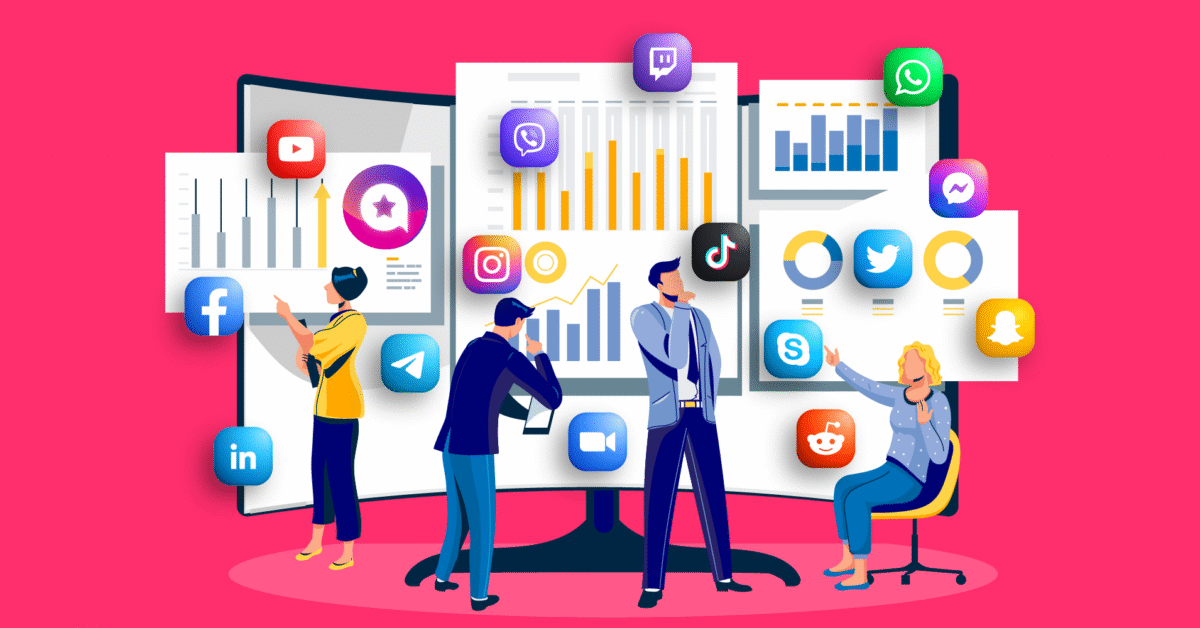
Social Media Marketing (SMM) refers to the use of social media platforms—such as Facebook, Instagram, LinkedIn, Twitter, and YouTube—to promote products, services, and brand identity.

It involves:

  • Creating high-quality content
  • Sharing posts consistently
  • Engaging with audiences
  • Running paid advertising campaigns
  • Analyzing performance to improve results

When done correctly, SMM helps businesses grow faster, build customer trust, and increase conversions.


Why Social Media Marketing Matters

1. Massive Reach

Billions of people use social media every day. It gives your brand an opportunity to appear exactly where your customers spend their time.

2. Strong Brand Awareness

Consistent posting makes your brand memorable and trustworthy.

3. Higher Engagement

Social media allows two-way communication. Likes, comments, messages, shares—these create real-time interaction with your audience.

4. Cost-Effective Marketing

Organic posts are free, and paid ads are much cheaper than traditional marketing.

5. Accurate Targeting

You can target users based on:

  • Age
  • Location
  • Interests
  • Behaviour
  • Profession

This ensures your brand reaches the right audience.

6. Direct Lead Generation

Platforms like Instagram, Facebook, and LinkedIn help businesses generate leads instantly through forms, messages, and CTA buttons.


Key Components of Effective Social Media Marketing

1. Content Creation

High-quality content is the foundation of SMM. This includes:

  • Images
  • Videos
  • Reels
  • Stories
  • Infographics
  • Blogs
  • Educational posts

Good content educates, entertains, and inspires users.

2. Platform Selection

Every platform has a different audience.

  • Instagram → Ideal for lifestyle, fashion, food, travel
  • Facebook → Perfect for local businesses and communities
  • LinkedIn → Best for professionals and B2B marketing
  • YouTube → Great for long-form video content
  • Twitter → Ideal for real-time updates and trends

Choosing the right platform ensures better results.

3. Audience Engagement

Replying to comments, responding to messages, sharing user content, and interacting actively helps build a loyal community.

4. Consistency

Success on social media requires regular posting. A monthly Content Calendar keeps your brand active and organized.

5. Analytics & Performance

Tracking insights helps you understand:

  • Which posts work best
  • When your audience is active
  • Who interacts with your content

This helps improve your future strategy.

6. Paid Advertising

Paid ads help you reach thousands of targeted users instantly. Facebook Ads, Instagram Ads, and LinkedIn Ads are powerful tools for:

  • Brand awareness
  • Lead generation
  • Website traffic
  • Sales

How Businesses Can Use Social Media Marketing

Here are smart ways to use SMM effectively:

  • Build a strong brand identity
  • Share valuable and educational content
  • Use storytelling to connect with your audience
  • Run offers, campaigns, and giveaways
  • Collaborate with influencers
  • Use trending formats like reels and short videos
  • Promote blog posts and website pages to boost SEO

The Perfect Combination: SMM + SEO

When Social Media Marketing is combined with SEO, it creates the perfect growth engine:

  • More website visitors
  • Higher search rankings
  • Stronger online presence
  • Better brand recall

Both processes support each other and help your brand grow faster organically.


Conclusion

Social Media Marketing is not just a trend—it is a powerful digital strategy that can transform how your business connects with customers.

With the right content, consistency, engagement, and ads, any business can grow faster and reach a broader audience.