
 SEO Optimization
 UI/UX Design
 Social Media Marketing
 Google Ads (PPC)
 Brand Strategy
 E-commerce Solutions
 Email Marketing
 Web Development
 Content Creation
 Analytics & Reporting
 App Development
 AI Development
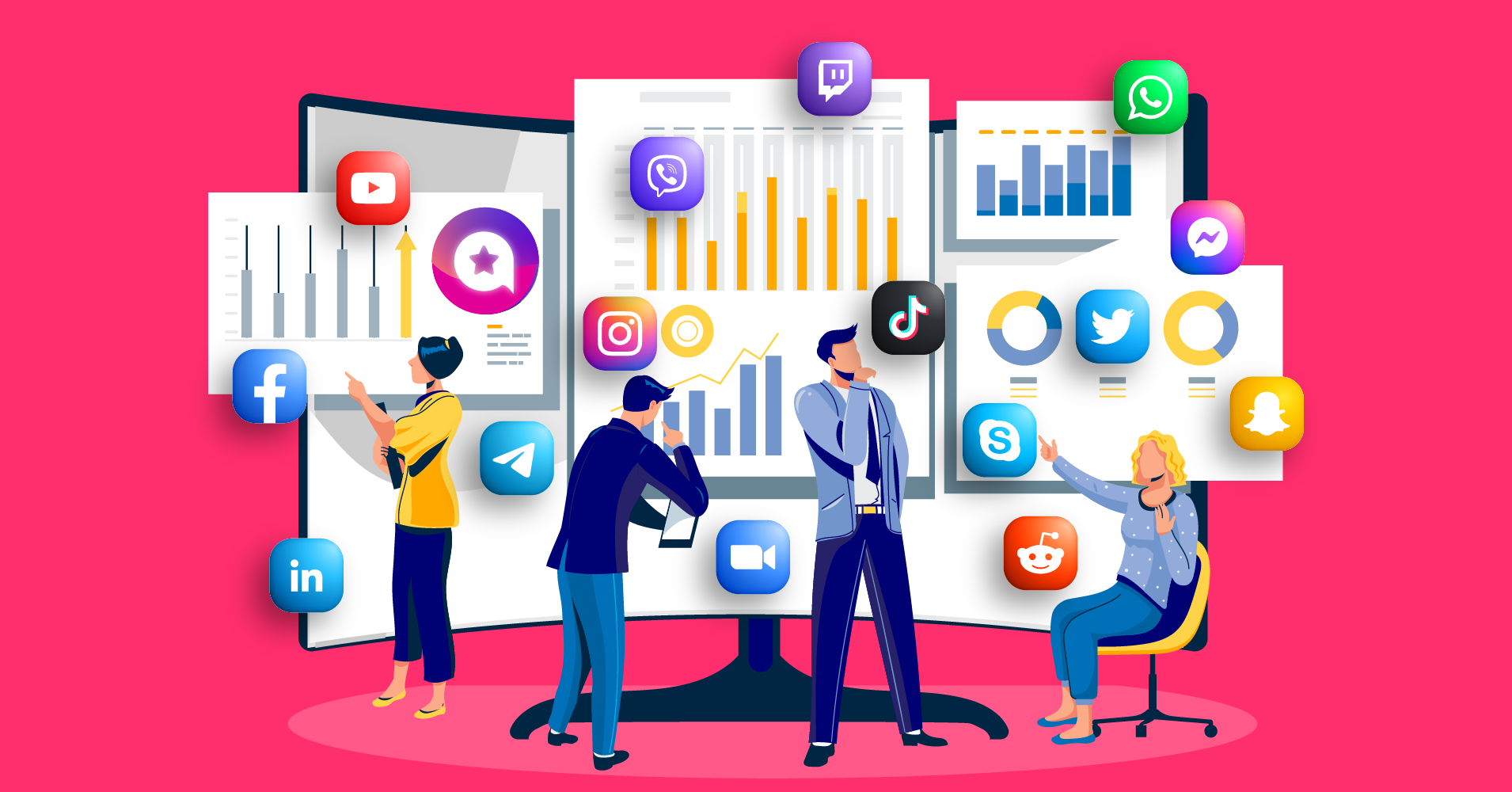
In today’s digital world, your brand’s presence on social media is not optional—it’s essential. Whether you run an agency, an e-commerce brand, a clinic, or a startup, social media is one of the fastest and most powerful ways to reach your target audience.
This is where Social Media Marketing (SMM) comes in. It helps businesses build awareness, drive engagement, generate leads, and create a strong online presence.
What is Social Media Marketing?
Social Media Marketing (SMM) refers to the use of social media platforms—such as Facebook, Instagram, LinkedIn, Twitter, and YouTube—to promote products, services, and brand identity.
It involves:
- Creating high-quality content
- Sharing posts consistently
- Engaging with audiences
- Running paid advertising campaigns
- Analyzing performance to improve results
When done correctly, SMM helps businesses grow faster, build customer trust, and increase conversions.
Why Social Media Marketing Matters
1. Massive Reach
Billions of people use social media every day. It gives your brand an opportunity to appear exactly where your customers spend their time.
2. Strong Brand Awareness
Consistent posting makes your brand memorable and trustworthy.
3. Higher Engagement
Social media allows two-way communication. Likes, comments, messages, shares—these create real-time interaction with your audience.
4. Cost-Effective Marketing
Organic posts are free, and paid ads are much cheaper than traditional marketing.
5. Accurate Targeting
You can target users based on:
- Age
- Location
- Interests
- Behaviour
- Profession
This ensures your brand reaches the right audience.
6. Direct Lead Generation
Platforms like Instagram, Facebook, and LinkedIn help businesses generate leads instantly through forms, messages, and CTA buttons.
Key Components of Effective Social Media Marketing
1. Content Creation
High-quality content is the foundation of SMM. This includes:
- Images
- Videos
- Reels
- Stories
- Infographics
- Blogs
- Educational posts
Good content educates, entertains, and inspires users.
2. Platform Selection
Every platform has a different audience.
- Instagram → Ideal for lifestyle, fashion, food, travel
- Facebook → Perfect for local businesses and communities
- LinkedIn → Best for professionals and B2B marketing
- YouTube → Great for long-form video content
- Twitter → Ideal for real-time updates and trends
Choosing the right platform ensures better results.
3. Audience Engagement
Replying to comments, responding to messages, sharing user content, and interacting actively helps build a loyal community.
4. Consistency
Success on social media requires regular posting. A monthly Content Calendar keeps your brand active and organized.
5. Analytics & Performance
Tracking insights helps you understand:
- Which posts work best
- When your audience is active
- Who interacts with your content
This helps improve your future strategy.
6. Paid Advertising
Paid ads help you reach thousands of targeted users instantly. Facebook Ads, Instagram Ads, and LinkedIn Ads are powerful tools for:
- Brand awareness
- Lead generation
- Website traffic
- Sales
How Businesses Can Use Social Media Marketing
Here are smart ways to use SMM effectively:
- Build a strong brand identity
- Share valuable and educational content
- Use storytelling to connect with your audience
- Run offers, campaigns, and giveaways
- Collaborate with influencers
- Use trending formats like reels and short videos
- Promote blog posts and website pages to boost SEO
The Perfect Combination: SMM + SEO
When Social Media Marketing is combined with SEO, it creates the perfect growth engine:
- More website visitors
- Higher search rankings
- Stronger online presence
- Better brand recall
Both processes support each other and help your brand grow faster organically.
Conclusion
Social Media Marketing is not just a trend—it is a powerful digital strategy that can transform how your business connects with customers.
With the right content, consistency, engagement, and ads, any business can grow faster and reach a broader audience.

