

 SEO Optimization
 UI/UX Design
 Social Media Marketing
 Google Ads (PPC)
 Brand Strategy
 E-commerce Solutions
 Email Marketing
 Web Development
 Content Creation
 Analytics & Reporting
 App Development
 AI Development
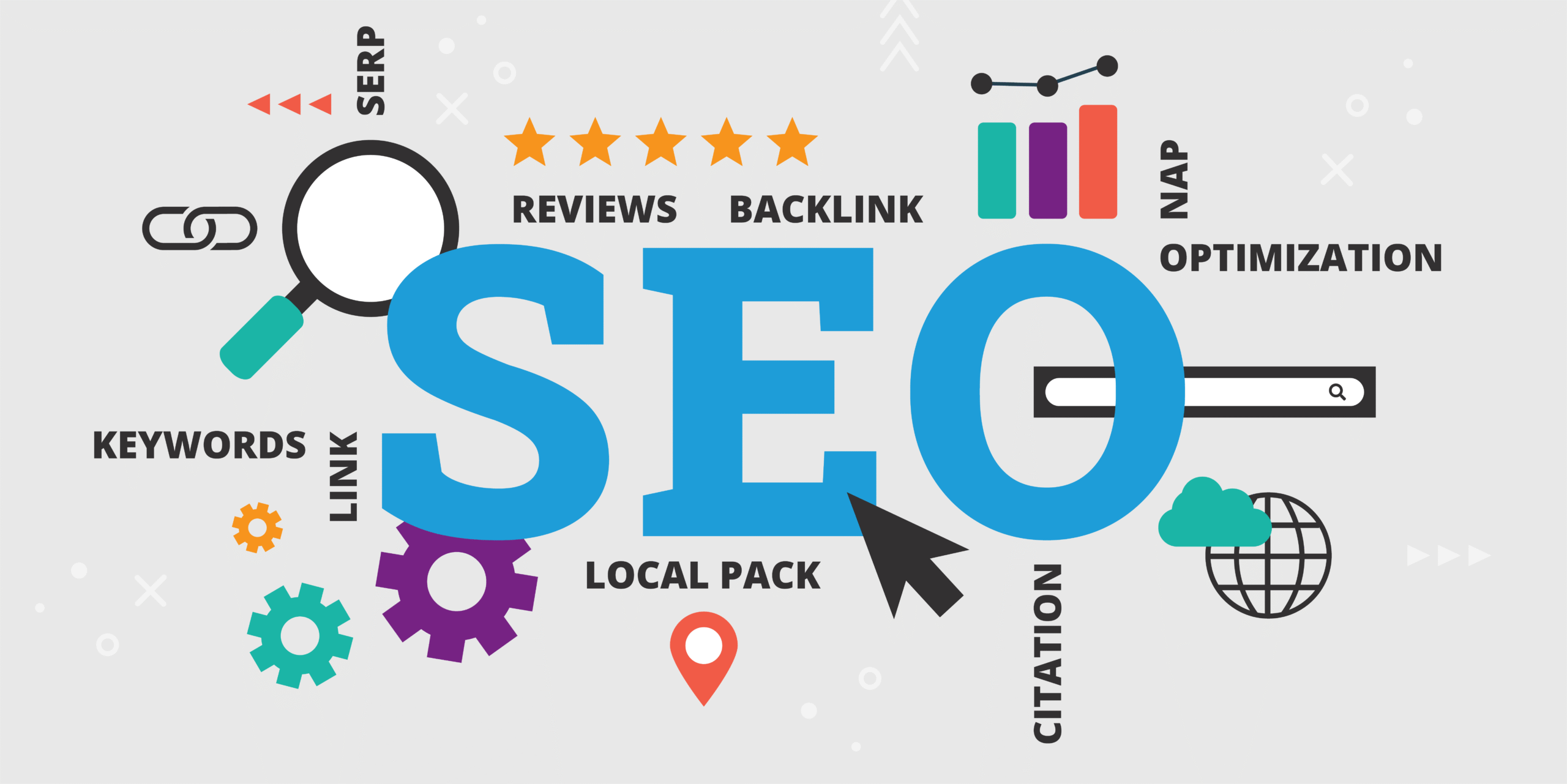
Search engines are the primary source of traffic for most websites. If your website is not optimized, you lose visibility, traffic, and potential customers. SEO (Search Engine Optimization) ensures your website ranks higher on Google and brings targeted visitors who are ready to engage or buy.
Below is a complete, well-structured blog you can use on rankersmind.com/seo-optimization/.
What Is SEO Optimization?
SEO Optimization is the process of improving your website to increase its visibility on search engines like Google, Bing, and Yahoo. When users search for relevant keywords, a well-optimized site appears at the top of search results, leading to more organic traffic.
SEO focuses on:
- Better ranking
- Improved user experience
- Higher conversions
- Strong brand credibility
Why Is SEO Important?
Search engines process billions of queries daily. Most users visit only the first page of Google. If your website ranks on top, you get:
- Higher traffic
- Better lead generation
- More sales
- Long-term online visibility
SEO is not a one-time task; it’s a consistent process that delivers long-term, sustainable results.
Types of SEO
1. On-Page SEO
On-page SEO includes all techniques applied directly on your website pages.
Important factors:
- Keyword research and placement
- Quality content
- Title tags and meta descriptions
- Image optimization
- URL structure
- Internal linking
2. Off-Page SEO
Off-page SEO builds authority and trust for your website outside your domain.
Key elements:
- High-quality backlinks
- Social media signals
- Guest blogging
- Brand mentions
3. Technical SEO
Technical SEO ensures search engines can crawl and index your website smoothly.
Core elements:
- Fast loading speed
- Mobile-friendly design
- XML sitemaps
- Website security (HTTPS)
- Structured data (Schema)
Benefits of SEO Optimization
1. Higher Search Engine Ranking
SEO helps your website appear on top search results.
2. Increased Organic Traffic
More visibility brings more visitors — without paying for ads.
3. Better User Experience
SEO improves page speed, navigation, and layout.
4. Brand Trust and Credibility
Users trust websites that appear on the first page.
5. Cost-Effective Marketing
SEO provides long-term results compared to paid ads.
Step-by-Step SEO Optimization Strategy
1. Conduct Keyword Research
Find keywords your audience searches for.
Tools to use:
- Google Keyword Planner
- Ahrefs
- SEMrush
- Ubersuggest
Choose:
- High-volume keywords
- Long-tail keywords
- Low-competition keywords
2. Optimize Website Content
High-quality content is the backbone of SEO.
Focus on:
- Informative content
- Keyword placement (without stuffing)
- Original and engaging writing
Place keywords in:
- Title
- First paragraph
- Headings
- Meta description
3. Improve Page Speed
A slow website loses visitors and ranking.
Ways to speed up:
- Compress images
- Use caching
- Minify CSS & JavaScript
- Choose good hosting
4. Make Your Website Mobile-Friendly
More than 70% of users browse from mobile.
Use responsive design and test with Google Mobile-Friendly Test.
5. Build High-Quality Backlinks
Backlinks act as votes of confidence.
Best methods:
- Guest posting
- Quality blog content
- Directory submissions
- Social sharing
6. Use Technical SEO Tools
Important tools:
- Google Search Console
- Google Analytics
- Screaming Frog
- Yoast SEO (WordPress)
Common SEO Mistakes to Avoid
- Keyword stuffing
- Duplicate content
- Slow website speed
- Ignoring mobile users
- Poor-quality backlinks
- No regular content updates
Conclusion
SEO Optimization is the key to building a strong online presence. With proper on-page, off-page, and technical strategies, your website can achieve long-term growth, better traffic, and improved conversions.
If you want expert SEO services, RankersMind helps you optimize your website using proven techniques and personalized strategies.
